Design for Relationships, Not Elements
What Living Ecosystems Teach Us
About Our Gut, Skin, and State of Mind
We like to think of ourselves as individuals. A single body. A single mind. A single organism moving through the world, separate from what surrounds us. But biologically, that’s not really true. My friend, you are a whole ecosystem.
Inside your gut, on your skin, in your mouth, there are trillions of microorganisms (like bacteria, fungi, viruses, etc.) living, interacting, competing and cooperating. They are not just “present”, they are active. They influence digestion, immunity, inflammation, even how you feel on a daily basis. It’s no wonder they say “You are what you eat.”
And just like in a garden, their health depends on one thing:
… relationships.
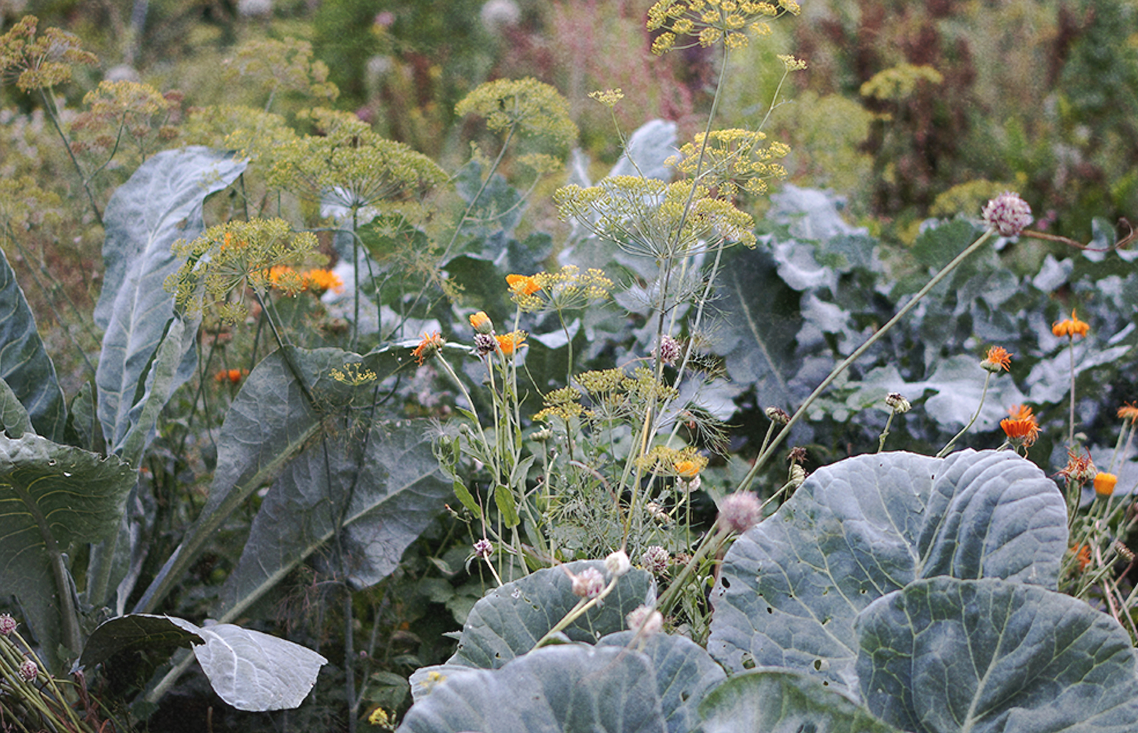
The same rules apply to the soil and the gut. If you take a handful of healthy soil, you’re holding an entire living network. Bacteria breaking down organic matter. Fungi transporting nutrients across distances. Protozoa and nematodes regulating populations. It’s complex, dynamic, and constantly adapting.
Now zoom into your gut. Different species of bacteria break down different types of food. Some produce vitamins. Others produce compounds that reduce inflammation and support the lining of your intestine. Many rely on each other to survive. One species feeds on what another produces. This is called cross-feeding, and it’s one of the reasons diversity matters so much.
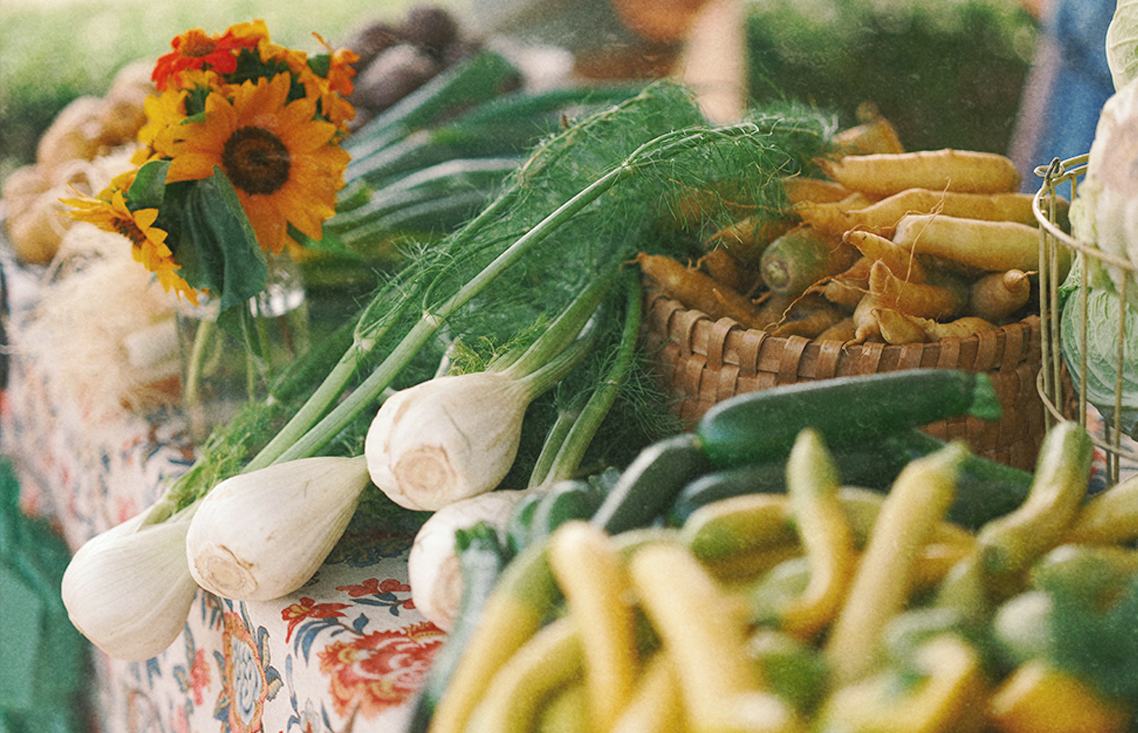
In both soil and gut: diversity creates resilience, monoculture means fragility, and balance emerges through interaction. When we degrade soil, we simplify that system. When we simplify our diet and environment, we do something similar internally.
Your environment matters
Skin and Gut Microbiome
Your Microbiome Is Not Isolated From the World
It’s tempting to think your microbiome is something contained inside you, something personal, internal, separate from your environment. It’s not. Your microbiome is in constant exchange with the world around you. Because of this, you are what you eat, what you touch, the air you breathe, and the environments you move through.
You are not just living in an ecosystem.
You are living with it, continuously.
Your environment and
Your skin microbiome
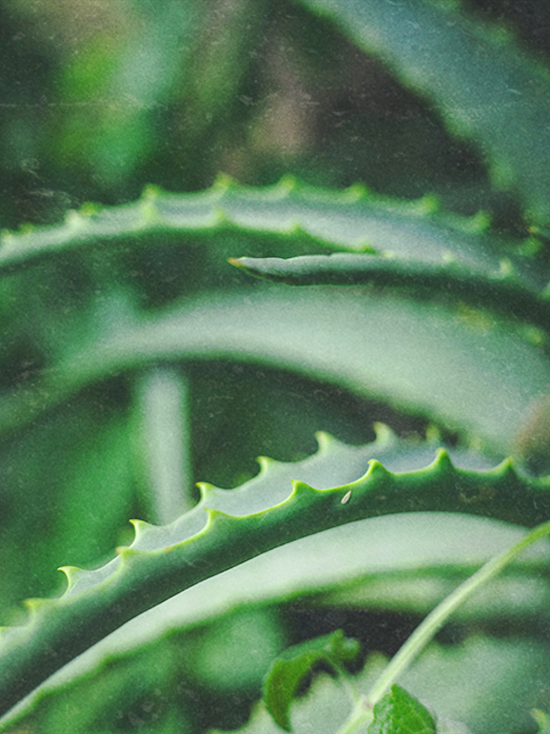
Your skin is not just a barrier. It’s a living interface. It hosts its own microbial ecosystem—bacteria, fungi, and other microorganisms that help regulate inflammation, protect against pathogens, and maintain balance. And this system is highly sensitive to your surroundings.
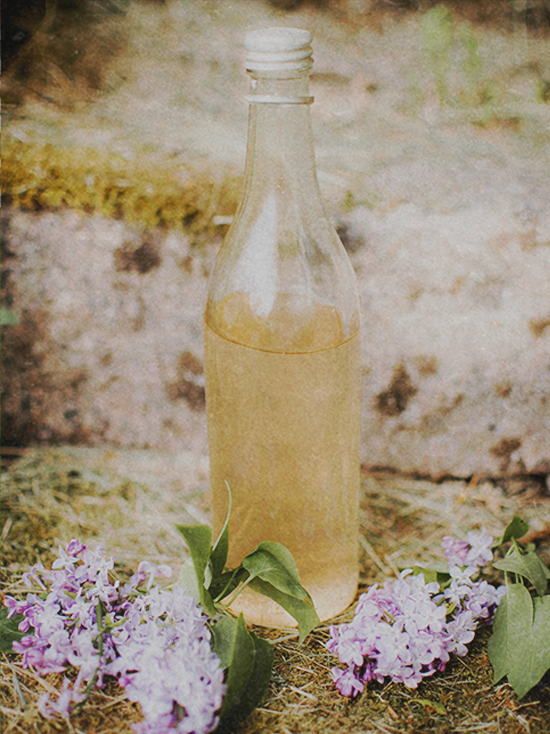
When you touch soil, plants, natural materials, you’re not just having a sensory experience, but you are exchanging microbes. You are increasing diversity on the surface of your body in subtle but meaningful ways.
There’s even a soil bacterium, Mycobacterium vaccae, that has been linked in some studies to improved mood and serotonin regulation. Not as a miracle solution, but as a reminder of something deeper: contact with living ecosystems is biologically active.
On the other hand, overly sterile environments, synthetic products, and constant sanitising can reduce this diversity. Over time, that can weaken the resilience of your skin ecosystem, making it more reactive, more sensitive, more prone to imbalance.
The skin is where the relationship begins. It’s your first conversation with the living world.

Your environment and
Your gut microbiome
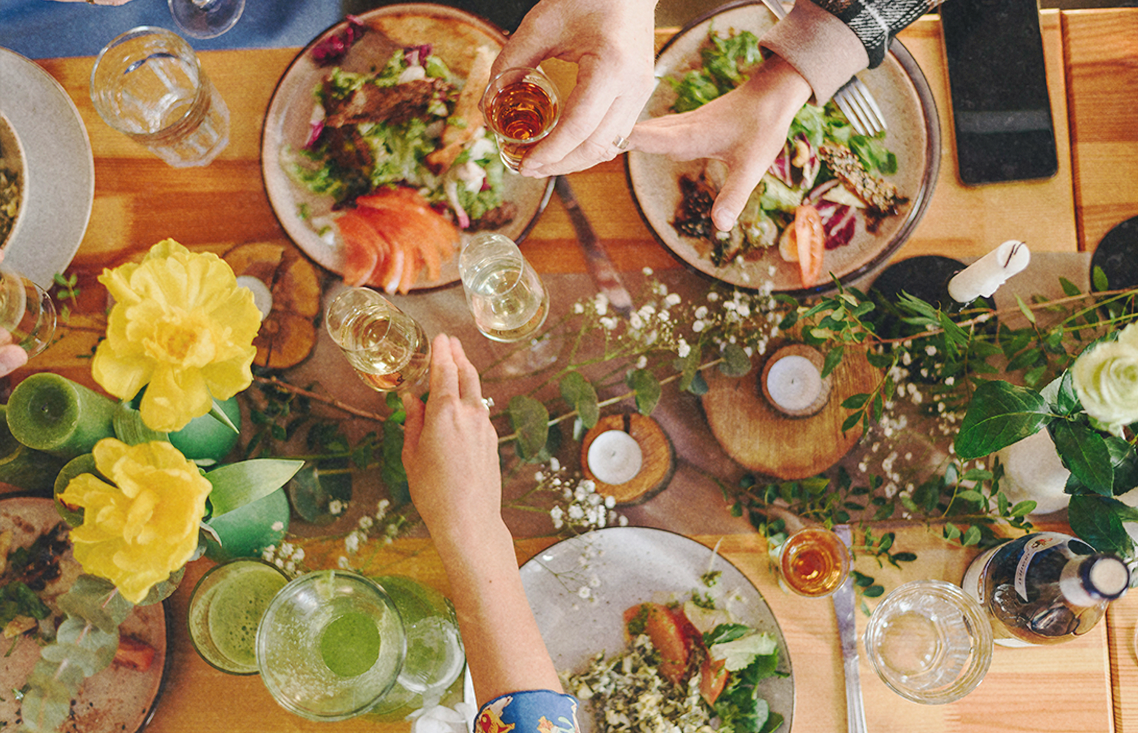
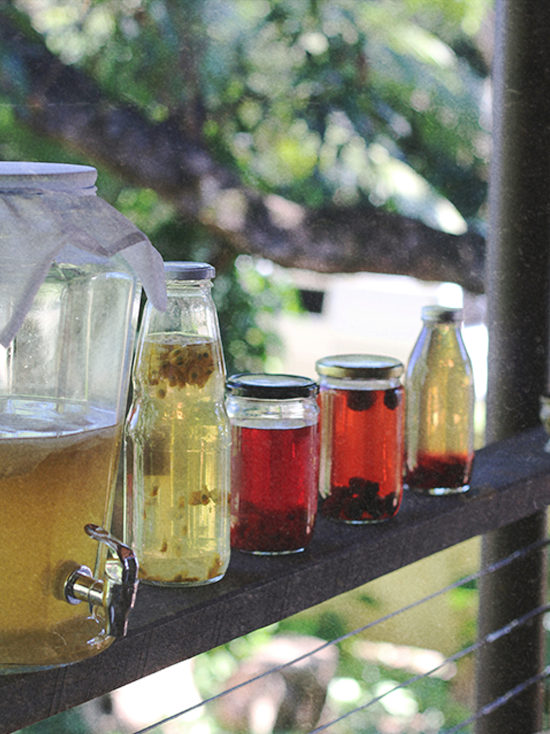
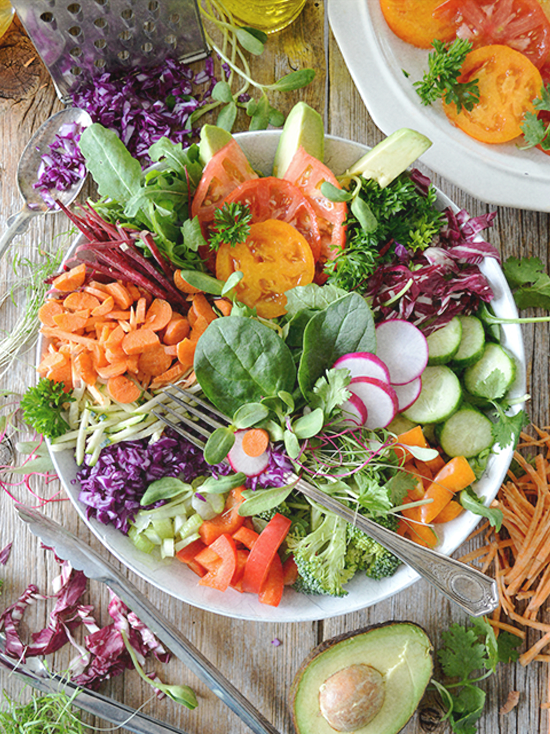
The quality of the food is not just about nutrients on a label. It begins much earlier, with the soil it was grown in, the diversity of the environment it came from, and the way it was produced. Food grown in rich, living soil tends to carry greater microbial and nutritional complexity. Food grown in degraded systems tends to be more uniform, more depleted, more disconnected from that living network.
That difference continues inside your body. In your gut, there is an entire community of microorganisms that is part of you, functioning together as one system. These are not separate from you, they are involved in how you digest, how your immune system responds, and how your body maintains balance. They don’t just hang out within you, they participate in what your body is able to do.
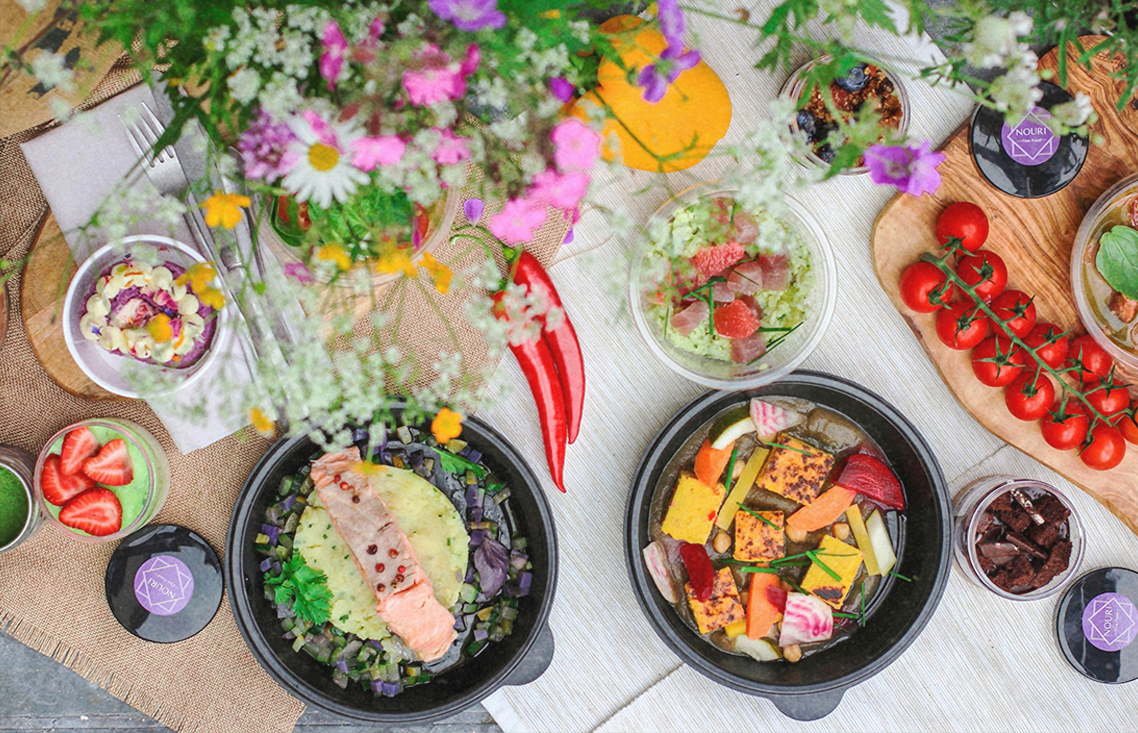
This is why diversity matters so much. The more varied this internal community is, the more functions it can perform. It’s like having a well-functioning village instead of a single worker trying to do everything alone. If one group is missing, certain processes weaken or stop altogether. But when diversity is present, the system becomes more stable, more responsive, and better able to handle stress, changes in diet, or external challenges.
What grows in the soil shapes what grows in your gut.
Let’s Talk GET IN TOUCH Let’s Talk GET IN TOUCH Let’s Talk GET IN TOUCH Let’s Talk GET IN TOUCH

As within, so without
Nature as a Regulator
The Gut–Brain Connection
Now layer in one more piece: your nervous system.
Modern environments tend to keep us in a low-level stress state: constant noise, artificial light, overstimulation, and a lack of natural rhythm. Nature does the opposite. Spending time in natural environments has been shown to lower cortisol, support parasympathetic (rest-and-digest) activity, and reduce activity in the brain’s stress centres. And this is where the connection becomes deeply personal: the state your nervous system is in directly affects your gut.
Your gut and your brain are in constant communication through what’s known as the gut–brain axis. Signals travel through the vagus nerve, the immune system, and compounds produced by the microorganisms that live within you. As explored earlier, these microorganisms are shaped by what you eat, especially the diversity and quality of your food. Many neurotransmitters we associate with mood, like serotonin, are largely produced in the gut or influenced by these microbial processes. This means your daily food choices are not just fueling your body, but actively shaping how this communication system functions.
So when your system is supported through both nourishing environments and diverse, whole foods, digestion works more efficiently, inflammation is better regulated, and mood tends to stabilise. When it’s disrupted, whether through chronic stress, poor diet, or lack of contact with living systems, stress can increase, anxiety can feel more intense, and energy becomes less stable.
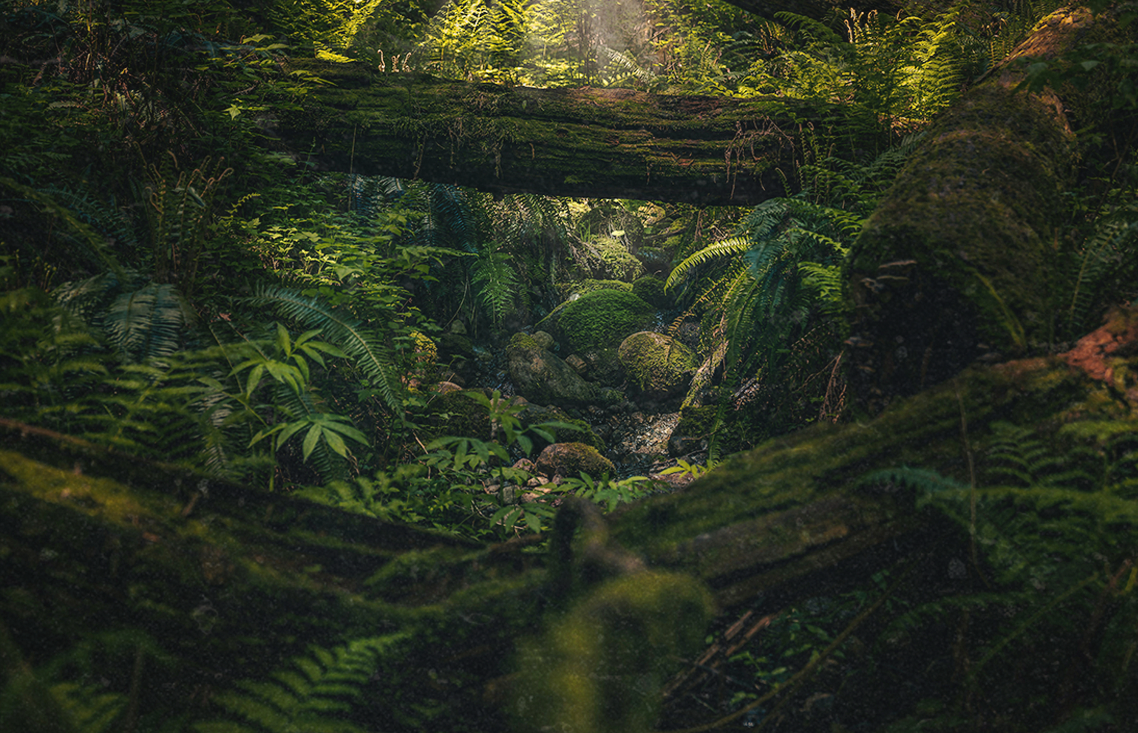
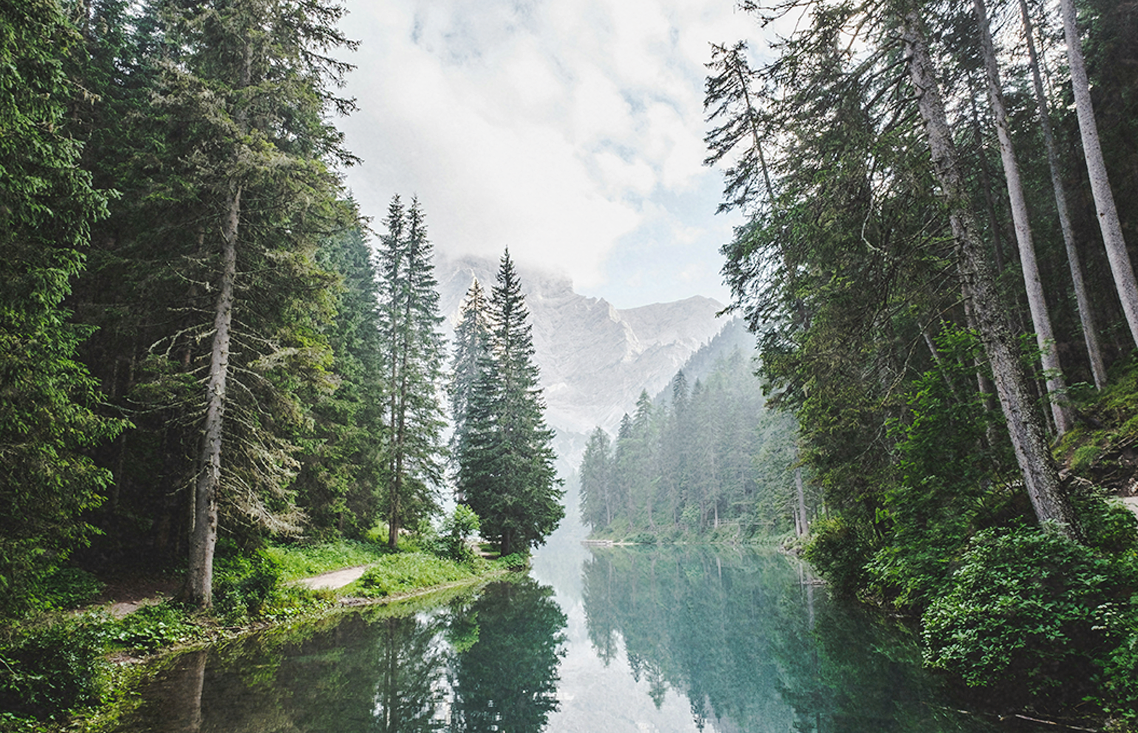
This is why stepping into a living ecosystem like a garden, a forest, even a small cultivated space, is not just a change of scenery. You are regulating your nervous system, influencing your internal environment, and interacting with life on multiple levels at once. The calmer your system becomes, the better your gut can function. And the more supported that internal system is, the more stable your mental and emotional state tends to be.
It’s not separate processes.
It’s one continuous system.

You are what you eat and where you live
Permaculture as a Health Practice
Designing Systems that Support Life
Permaculture, at its core, is about designing systems that support life. Not controlling it, not extracting from it, but creating the conditions where it can thrive. When you apply that lens to your own life, something shifts.Instead of asking, “What should I take, fix, or optimise?” you start as king, “What conditions am I living in—and what kind of life do they support?”
Because your health is not just about what you consume. It’s shaped by the ecosystem you are part of: the diversity of your food, your contact with living environments, the rhythm of your days, the quality of your relationships, and the state of your nervous system.
In a garden, we don’t aim for perfection… we build rich soil, encourage diversity, and allow relationships to form. The result is a system that becomes more stable, more resilient, and more alive over time.
Your body works in much the same way. It doesn’t need constant fixing. It needs support, more diversity, more contact with living systems, and more environments that allow it to regulate, rather than constantly react.
Permaculture is not just a way of growing food, but it’s also a way of understanding health. One that sees wellbeing not as something you force, but something that naturally emerges when the conditions for life are in place.